
AI phishing attacks are making familiar cyber scams faster, more convincing, and harder for employees to recognize. Recent 2026 threat intelligence shows attackers expanding beyond email into Microsoft Teams, voice calls, trusted cloud services, and highly personalized messages. For businesses, protecting Microsoft 365 identities and training employees to verify unusual requests has become increasingly important.
If you've been preparing your company for a CMMC Level 2 certification assessment, you may have heard some confusing news: the federal government has put CMMC Phase II on hold.
That part is true.
What isn't true is that CMMC has disappeared.
On July 13, 2026, the Department announced the immediate suspension of CMMC Phase II, which had been scheduled to begin November 10, 2026. At the same time, officials launched a 60-day review of the program. Phase I self-assessment requirements remain in place.
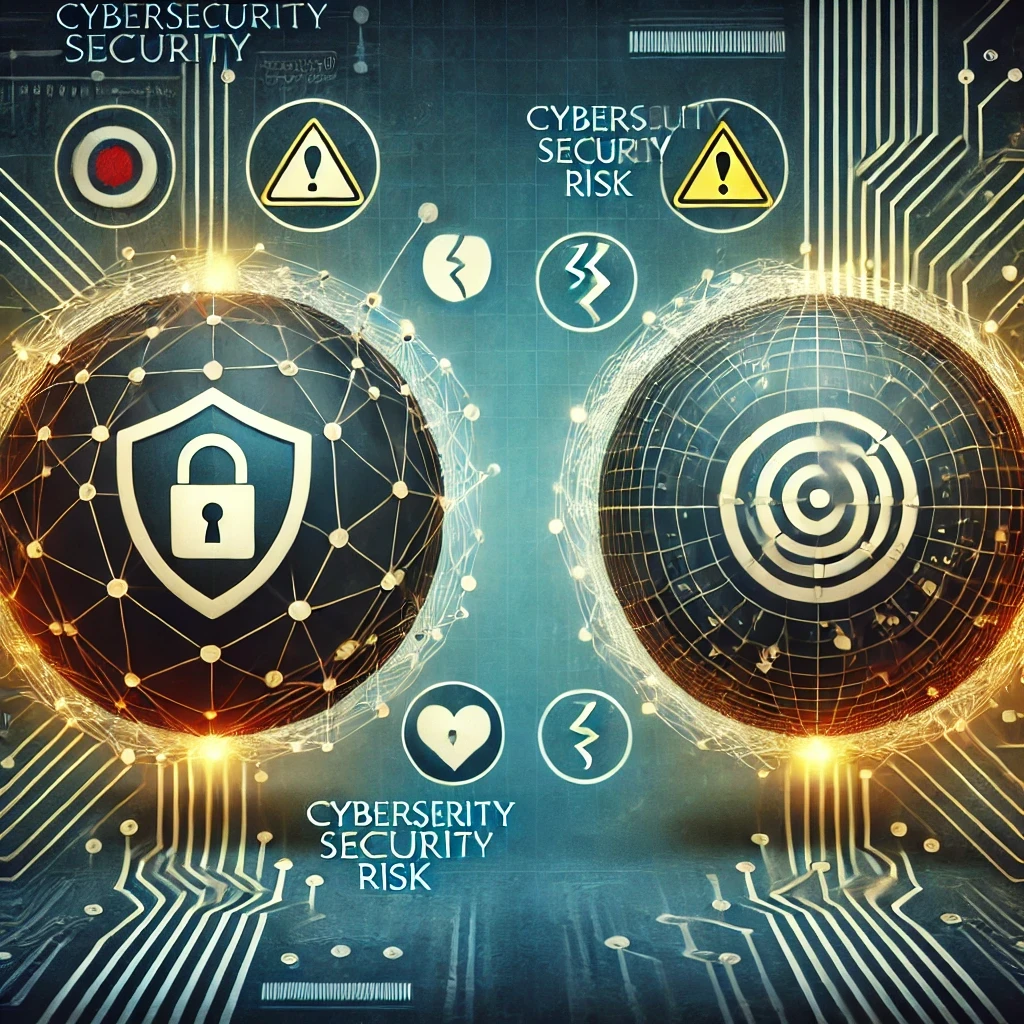
In today's digital age, the terms "cybersecurity" and "cybersecurity risk" are often used interchangeably. However, they represent different concepts that are crucial for understanding how to protect information systems effectively. Let's delve into what these terms mean and how they relate to each other.
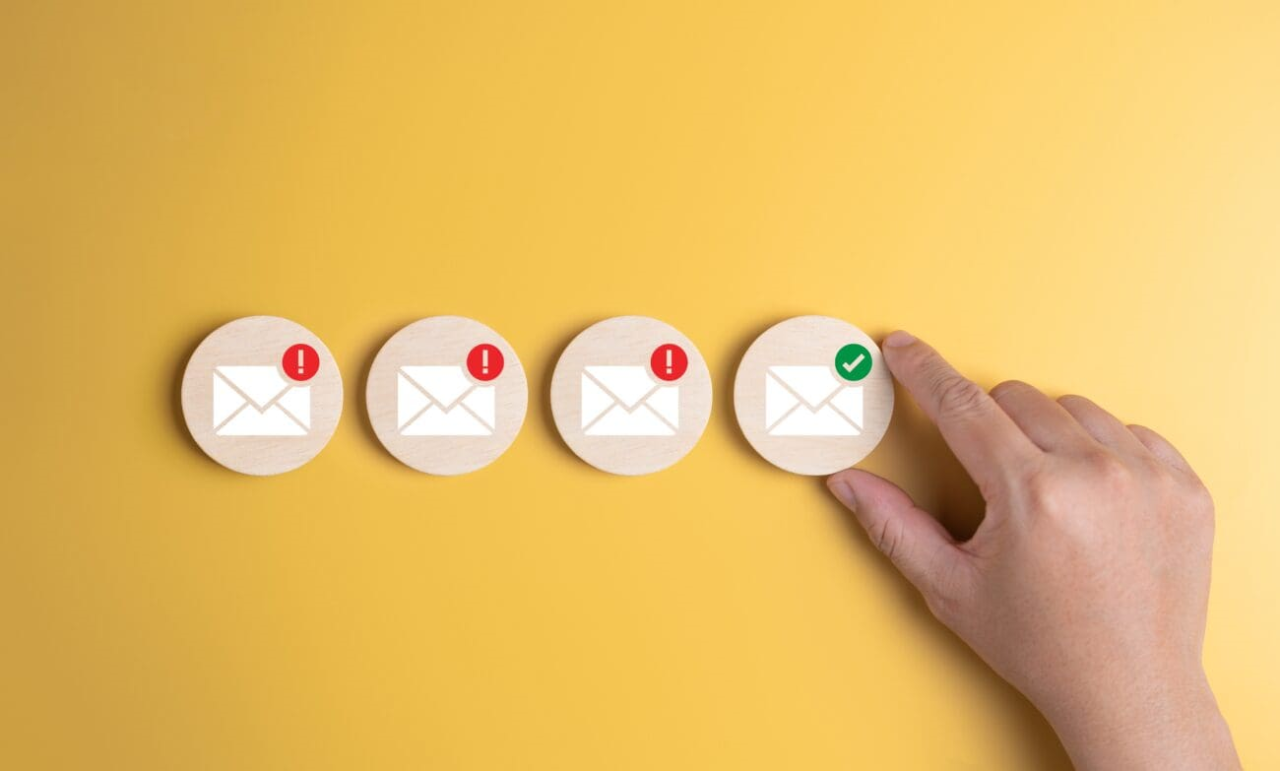
In today's digital landscape, email remains a fundamental communication tool for businesses. However, its ubiquity makes it a prime target for cyber threats. Understanding these threats is the first step in fortifying your email security. In this blog post, we'll explore the technical intricacies of various email threats and how you can protect your business from these ever-evolving dangers.
It takes less than a minute for someone to fall for a phishing scam. According to the 2024 Data Breach Investigations Report, the median time for a recipient to click on a malicious link after opening the email is 21 seconds, followed by 28 seconds to enter the requested data.